

Comprehensive Guide to Mold Inspection in Edison, NJ
- mariotovaropo
- Nov 26, 2025
- 4 min read
Mold can pose significant health risks and structural damage to properties, making mold inspection in Edison, NJ a crucial service for homeowners and businesses alike. Whether you suspect mold growth due to water damage or simply want to ensure a safe environment, understanding the importance of mold detection is essential. This guide will explore the various aspects of mold inspection, detection methods, health implications, and remediation processes, ensuring you have all the information needed to protect your property and loved ones.
Understanding Mold and Its Risks
Mold is a type of fungus that thrives in damp, warm environments. It can grow on various surfaces, including wood, drywall, and insulation, often going unnoticed until it becomes a significant problem. Mold spores are airborne and can easily spread throughout a building, leading to potential health issues for occupants.
Health Implications of Mold Exposure
Exposure to mold can lead to various health problems, particularly for individuals with respiratory conditions, allergies, or weakened immune systems. Common symptoms include:
Respiratory Issues: Coughing, wheezing, and shortness of breath are common reactions to mold exposure.
Allergic Reactions: Individuals may experience sneezing, runny noses, and skin rashes.
Severe Health Risks: Prolonged exposure to toxic molds, such as black mold, can lead to more severe health complications, including chronic fatigue and neurological issues.
Identifying Mold Growth
Recognizing the signs of mold growth is the first step in addressing the issue. Look for:
Visible Mold: Dark spots or patches on walls, ceilings, or floors.
Musty Odors: A persistent damp smell can indicate hidden mold.
Water Damage: Signs of leaks or water stains can suggest a conducive environment for mold growth.
The Importance of Professional Mold Inspection
While DIY methods may seem appealing, professional mold inspection services are essential for accurate detection and remediation. Certified inspectors have the training and tools necessary to identify mold in hidden areas, ensuring a thorough assessment.
Benefits of Professional Mold Inspection
Accurate Detection: Professionals use advanced equipment to detect mold spores in the air and on surfaces.
Comprehensive Reporting: Detailed reports outline the extent of the mold problem and recommend appropriate remediation steps.
Health and Safety: Ensuring a mold-free environment protects the health of occupants and the integrity of the property.
The Mold Inspection Process
A typical mold inspection involves several steps:
Visual Assessment: Inspectors examine the property for visible signs of mold and moisture.
Sampling: Air and surface samples are collected for laboratory analysis.
Reporting: A detailed report is provided, outlining findings and recommendations.
Mold Detection Techniques
Mold detection in Edison, NJ, employs various techniques to ensure thorough assessments. Understanding these methods can help you appreciate the importance of professional services.
Air Sampling
Air sampling involves collecting air samples from different areas of the property. This method helps identify the concentration of mold spores in the air, providing insight into potential health risks.
Surface Sampling
Surface sampling involves taking samples from visible mold growth or suspected areas. This method helps identify the type of mold present and its potential health implications.
Moisture Mapping
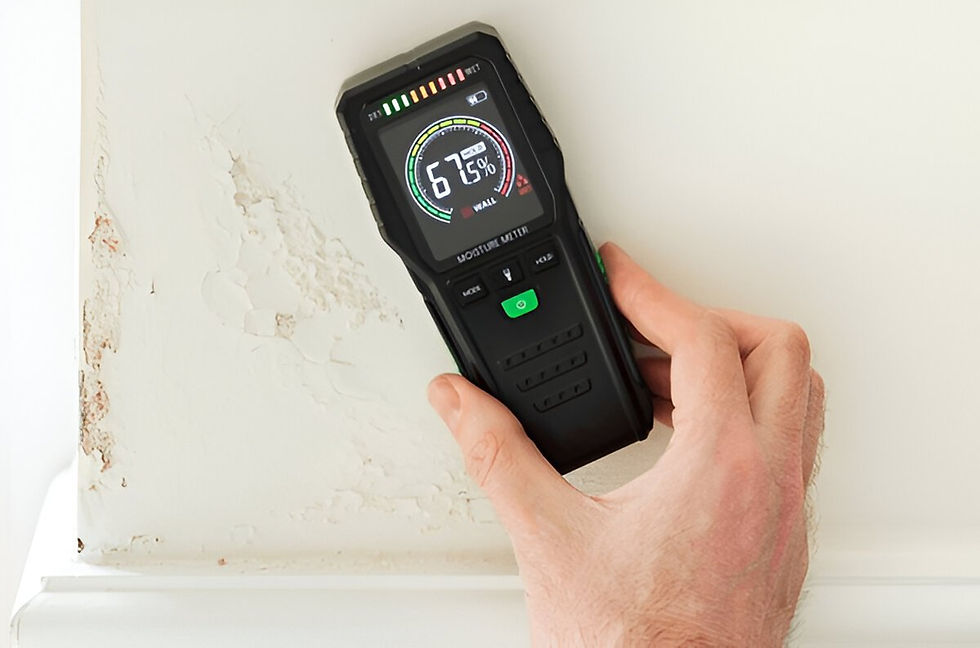
Moisture mapping uses specialized equipment to detect hidden moisture within walls and ceilings. Identifying moisture sources is crucial for effective mold remediation.
Common Areas for Mold Growth
Certain areas in homes and businesses are more susceptible to mold growth due to high humidity and moisture levels. Understanding these areas can help you take preventive measures.
Basements and Crawl Spaces
Basements and crawl spaces are often damp and poorly ventilated, making them prime locations for mold growth. Regular inspections and moisture control measures are essential in these areas.
Bathrooms and Kitchens
High humidity levels in bathrooms and kitchens create an ideal environment for mold. Ensure proper ventilation and promptly address any leaks to prevent mold growth.
Attics
Attics can harbor mold due to poor ventilation and roof leaks. Regular inspections and proper insulation can help mitigate mold risks in these spaces.
Mold Remediation: The Next Steps
Once mold is detected, remediation is necessary to eliminate the problem and prevent future growth. Understanding the remediation process is crucial for effective mold management.
The Remediation Process
Containment: Isolating the affected area to prevent mold spores from spreading.
Removal: Safely removing mold-infested materials and cleaning surfaces.
Drying: Using dehumidifiers and fans to dry the area thoroughly.
Restoration: Repairing and restoring the affected areas to their original condition.
Choosing a Mold Remediation Company
Selecting a reputable mold remediation company is vital for effective results. Look for:
Certifications: Ensure the company is certified and follows industry standards.
Experience: Choose a company with a proven track record in mold remediation.
Customer Reviews: Check online reviews and testimonials to gauge customer satisfaction.
Preventing Future Mold Growth
After remediation, taking preventive measures is essential to avoid future mold issues. Implementing these strategies can help maintain a mold-free environment.
Control Humidity Levels
Keeping indoor humidity levels below 60% can significantly reduce mold growth. Use dehumidifiers in damp areas and ensure proper ventilation throughout the property.
Regular Inspections
Conducting regular inspections can help identify potential mold issues before they escalate. Look for signs of water damage and address any leaks promptly.
Proper Ventilation
Ensuring proper ventilation in high-humidity areas, such as bathrooms and kitchens, can help prevent mold growth. Use exhaust fans and open windows to improve airflow.
Frequently Asked Questions
What should I do if I suspect mold in my home?
If you suspect mold growth, it’s essential to contact a professional mold inspection service. They can assess the situation and recommend appropriate actions.
How often should I have my property inspected for mold?
Regular inspections are recommended, especially in areas prone to moisture. Consider annual inspections or after significant water events.
Can I remove mold myself?
While minor mold issues can sometimes be addressed with DIY methods, professional assistance is recommended for significant infestations to ensure safety and effectiveness.
Conclusion
Mold inspection and detection in Edison, NJ, are vital for maintaining a safe and healthy environment. By understanding the risks associated with mold, the importance of professional inspections, and effective remediation strategies, you can protect your property and loved ones from the harmful effects of mold. Regular inspections, moisture control, and prompt action are key to preventing mold growth and ensuring a safe indoor environment. If you suspect mold in your home or business, don’t hesitate to reach out to a certified mold inspection service for assistance.


Comments