

Certified Air Quality Testing Experts in Elizabeth, NJ: How Testing Works
- mariotovaropo
- Dec 18, 2025
- 4 min read
Indoor air quality is a critical aspect of our living and working environments, significantly impacting health, comfort, and productivity. In Elizabeth, NJ, certified air quality testing experts play a vital role in assessing and improving the air we breathe. This article delves into the intricacies of air quality testing, the methodologies employed, and the benefits of engaging professionals in this essential service.
Understanding Air Quality Testing
Air quality testing involves a systematic evaluation of indoor air to identify pollutants and assess their concentrations. This process is crucial for ensuring that the air we breathe is safe and conducive to health.
Importance of Air Quality Testing
The significance of air quality testing cannot be overstated. Poor indoor air quality can lead to various health issues, including respiratory problems, allergies, and even chronic diseases. By identifying and mitigating these risks, air quality testing helps create healthier environments.
Common Indoor Pollutants
Several pollutants can compromise indoor air quality, including:
Volatile Organic Compounds (VOCs): Emitted from paints, cleaning supplies, and building materials.
Mold: Thrives in damp conditions and can cause allergic reactions.
Carbon Monoxide: A colorless, odorless gas that can be deadly in high concentrations.
Dust and Allergens: Particles that can trigger asthma and other respiratory issues.
Understanding these pollutants is the first step in effective air quality management.
The Testing Process
The air quality testing process typically involves several key steps, ensuring a comprehensive assessment of indoor environments.
Initial Consultation
The process begins with an initial consultation, where experts discuss the specific concerns of the property owner. This step is crucial for tailoring the testing approach to the unique needs of each space.
Site Assessment
Following the consultation, a thorough site assessment is conducted. This involves:
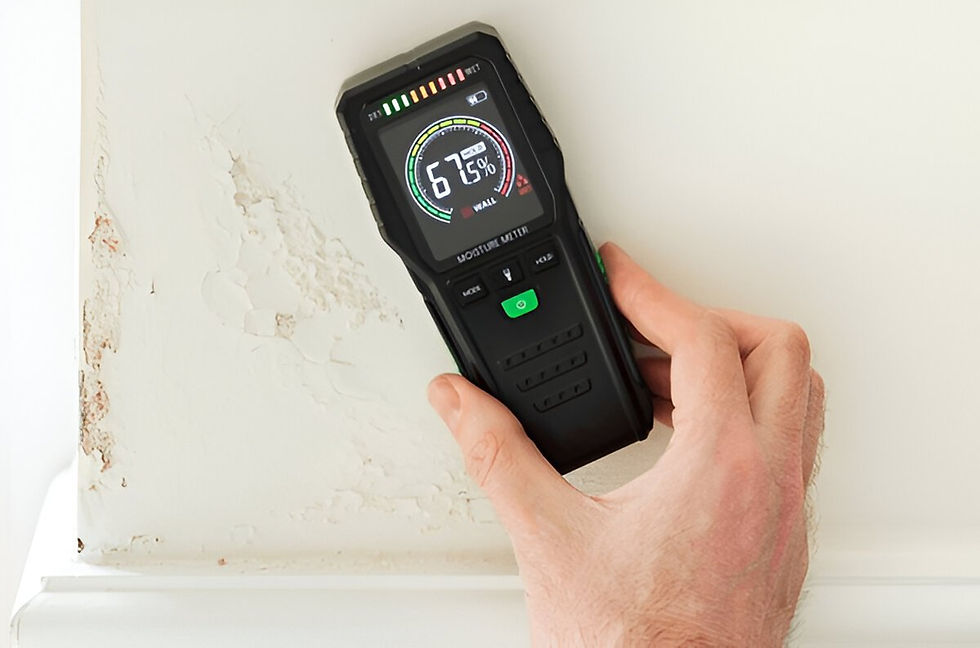
Visual Inspection: Identifying potential sources of pollution, such as water damage or mold growth.
Ventilation Evaluation: Assessing the effectiveness of the existing ventilation systems.
Sampling and Analysis
Once the site assessment is complete, air samples are collected for laboratory analysis. This step may include:
Air Sampling: Capturing air samples to measure pollutant levels.
Surface Sampling: Testing surfaces for mold and other contaminants.
The results from these samples provide a clear picture of the indoor air quality.
Advanced Testing Techniques
Certified air quality testing experts utilize advanced techniques to ensure accurate results.
Real-Time Monitoring
Some professionals employ real-time monitoring equipment that continuously measures air quality parameters. This technology allows for immediate detection of hazardous conditions, enabling prompt action.
Laboratory Analysis
Samples collected during testing are sent to accredited laboratories for detailed analysis. These labs use sophisticated equipment to identify and quantify pollutants, ensuring reliable results.
Interpreting Test Results
Once the analysis is complete, the results are compiled into a comprehensive report. This report typically includes:
Pollutant Levels: Detailed information on the concentration of various pollutants.
Health Implications: An assessment of how the identified pollutants may affect health.
Recommendations: Tailored suggestions for improving air quality based on the findings.
Understanding these results is essential for property owners to make informed decisions regarding remediation.
Remediation Strategies
After identifying air quality issues, experts recommend various remediation strategies to improve indoor environments.
Ventilation Improvements
Enhancing ventilation is often the first step in remediation. This may involve:
Upgrading HVAC Systems: Ensuring that heating and cooling systems effectively circulate fresh air.
Installing Air Purifiers: Utilizing advanced filtration systems to remove pollutants from the air.
Mold Remediation
If mold is detected, specialized remediation techniques are employed, including:
Containment: Preventing the spread of mold spores during removal.
Cleaning and Disinfection: Thoroughly cleaning affected areas to eliminate mold growth.
Ongoing Monitoring
To maintain healthy air quality, ongoing monitoring is recommended. Regular testing can help identify new issues before they become significant problems.
Benefits of Professional Testing
Engaging certified air quality testing experts offers numerous advantages.
Expertise and Experience
Professionals bring a wealth of knowledge and experience to the table. Their training ensures that they can accurately assess air quality and recommend effective solutions.
Advanced Technology
Certified experts utilize state-of-the-art equipment and techniques, ensuring that testing is thorough and reliable. This technology allows for precise measurements and timely interventions.
Peace of Mind
Knowing that your indoor air quality is being monitored by professionals provides peace of mind. Homeowners and business operators can focus on their daily activities, confident that their environment is safe.
Choosing the Right Testing Service
Selecting the right air quality testing service is crucial for achieving optimal results.
Credentials and Certifications
When evaluating potential testing services, consider their credentials. Look for certifications from recognized organizations, which indicate a commitment to industry standards.
Customer Reviews
Reading customer reviews can provide insight into the quality of service offered by a testing company. Positive feedback often reflects reliability and effectiveness.
Comprehensive Services
Choose a provider that offers a wide range of services, including testing, remediation, and ongoing monitoring. This ensures a holistic approach to air quality management.
Cost of Air Quality Testing
Understanding the costs associated with air quality testing is essential for budgeting.
Factors Influencing Cost
Several factors can influence the cost of air quality testing, including:
Scope of Testing: More extensive testing will typically incur higher costs.
Type of Pollutants: Testing for specific contaminants, such as mold or VOCs, may affect pricing.
Location: Service costs can vary based on geographic location and market demand.
Average Pricing
In Elizabeth, NJ, air quality testing services generally range from $400 to $950, depending on the complexity of the assessment. Basic evaluations may start at around $400, while comprehensive testing can reach up to $950.
Conclusion
Certified air quality testing experts in Elizabeth, NJ, play a crucial role in ensuring that indoor environments are safe and healthy. Through a systematic testing process, advanced techniques, and tailored remediation strategies, these professionals help mitigate the risks associated with poor air quality. By understanding the importance of air quality testing and engaging qualified experts, property owners can significantly enhance their living and working conditions, ultimately leading to improved health and well-being. For More information about air quality testing in Elizabeth NJ, Contacts us:
Green Guard Mold Specialist Elizabeth
Address:919 S Elmora Ave, Elizabeth, NJ 07202
Phone: 888-861-7846


Comments